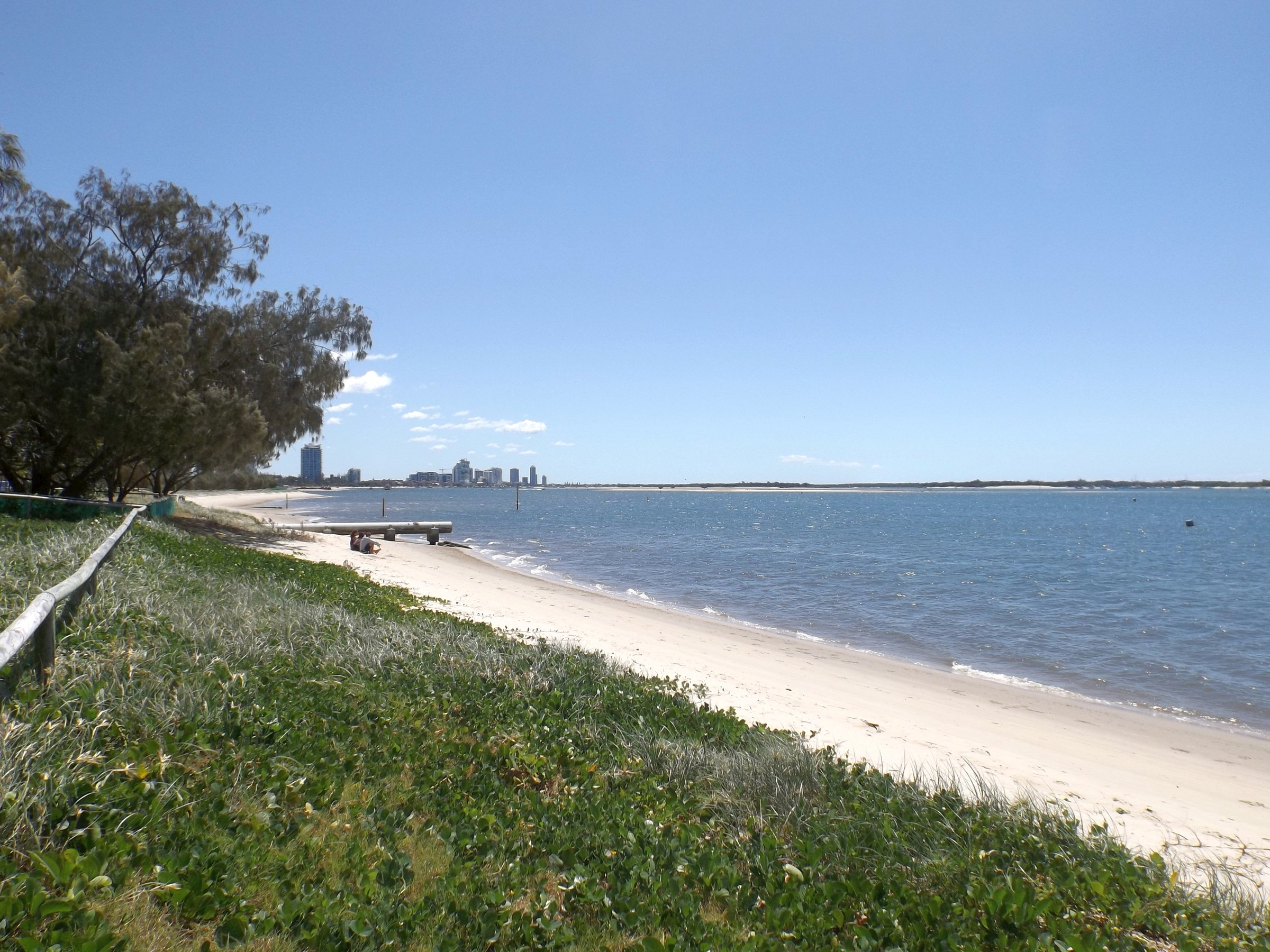
Wave Break Island is a small human-made island in the Gold Coast Broadwater, reached only over the water by boat, kayak, paddleboard or tour. It sits off the Biggera Waters and Labrador shoreline, and it has white beaches and clear shallow water for snorkelling, all inside the Broadwater.
There is no bridge and no camping, so a visit to Wave Break Island is a day trip you plan around your own way across the water. This guide covers where it is, the ways to get there, what people do on the island and the rules and safety points worth knowing first.
What and where is Wave Break Island?
Wave Break Island was created in 1985 as part of building the Gold Coast Seaway, the entrance to the Broadwater. The Gold Coast Waterways Authority (GCWA) says the island was fundamental to the Seaway design: it reduces the impact of waves coming through the entrance on the Broadwater’s western foreshores.
That job continues today. GCWA dredges the navigation channels around the island and uses the sand to replenish it, so the island keeps working as a buffer against waves. GCWA’s address is on Seaworld Drive at Main Beach, and its Wave Break Island page gives the island’s location as Main Beach, but the island itself sits in the water off the western shore, near Biggera Waters and Labrador.
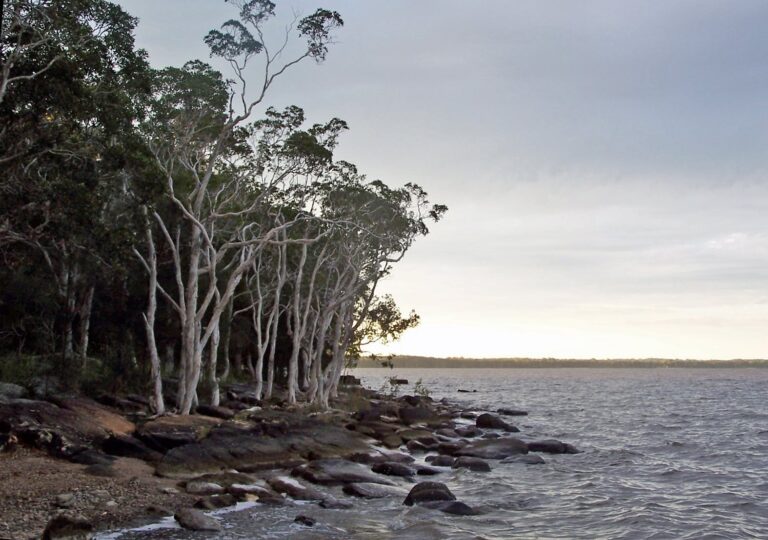
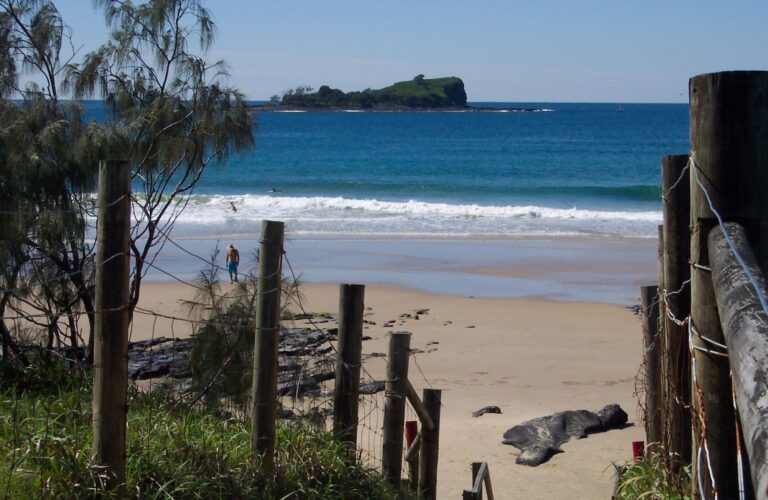
The island’s beaches have white sand on the eastern and northern sides and a “keyhole” on the western side, according to GCWA. The water around it is clear and mostly shallow.
How to get to Wave Break Island
GCWA is direct about this: access to the island is only available over water, and a private vessel is the most common way. You have three realistic options.
By your own boat
Boaters should read the speed and anchoring points below before heading out. Our Gold Coast boat hire guide covers hiring one if you do not own a boat.
By kayak or stand-up paddleboard
GCWA lists kayaking or stand-up paddleboarding out from the Labrador foreshore as a way to reach the island. Paddling across open water needs a sensible look at the weather and the boat traffic first, so go with a guide if you are new to it.
On a guided tour
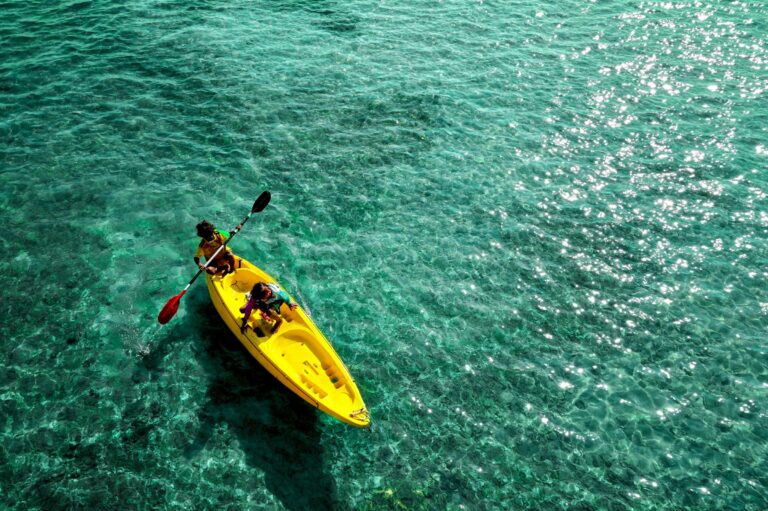
A guided kayak and snorkel tour is the easiest option for first-timers because the guide handles the route and the gear. The tour listed below leaves from Biggera Waters and, in the operator’s itinerary, allows about 25 minutes of paddling out, about 35 minutes on the island and about 30 minutes back.
We may earn a commission if you book through these links, at no extra cost to you.
 Surf, paddle and parasail
4.7 (373)
Kayak and snorkel tour to Wave Break Island
Paddle to Wave Break Island and snorkel, with a snack included.
From $99 / person
 Climbs and adventures
4.8 (59)
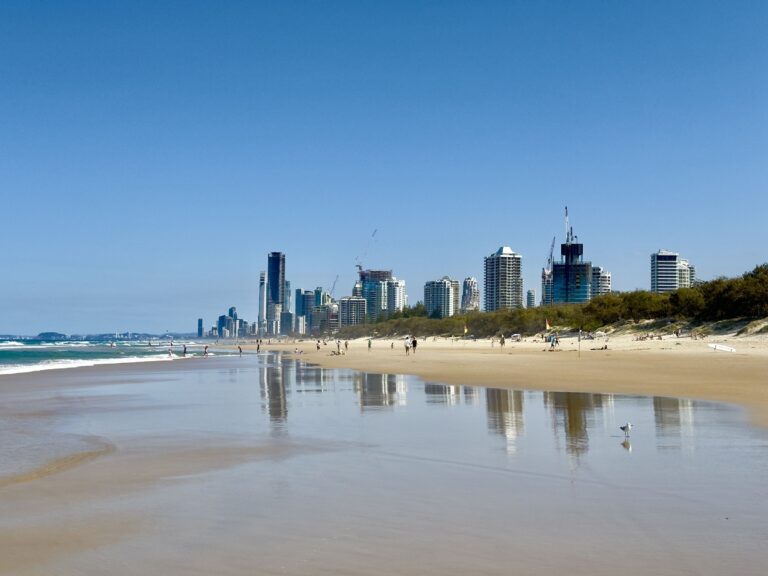
Self-drive electric boat hire on the Gold Coast
Hire a quiet electric boat for a canal and river cruise, with no licence needed.
From $165 / person
The second card is a self-drive electric boat from Surfers Paradise. Its listing describes canal and river routes with route maps for places such as Main Beach, so check with the operator whether the island is in your hire area before you book.
What to do on Wave Break Island
GCWA describes the island as a day-use place and lists the activities it encourages: boating and kayaking, fishing, picnicking, swimming and paddling, and walking. It also mentions wildlife spotting and snorkelling.
Snorkelling and swimming
GCWA says the clear, mostly shallow water makes the island popular with snorkellers, scuba divers and families with children. Our Gold Coast snorkelling guide has more on where else to get in the water.
Beach, picnic and walk
GCWA’s page lists no facilities on the island, so bring everything you need. Take all your rubbish home and leave the island as you found it.
Camping, dogs and other rules
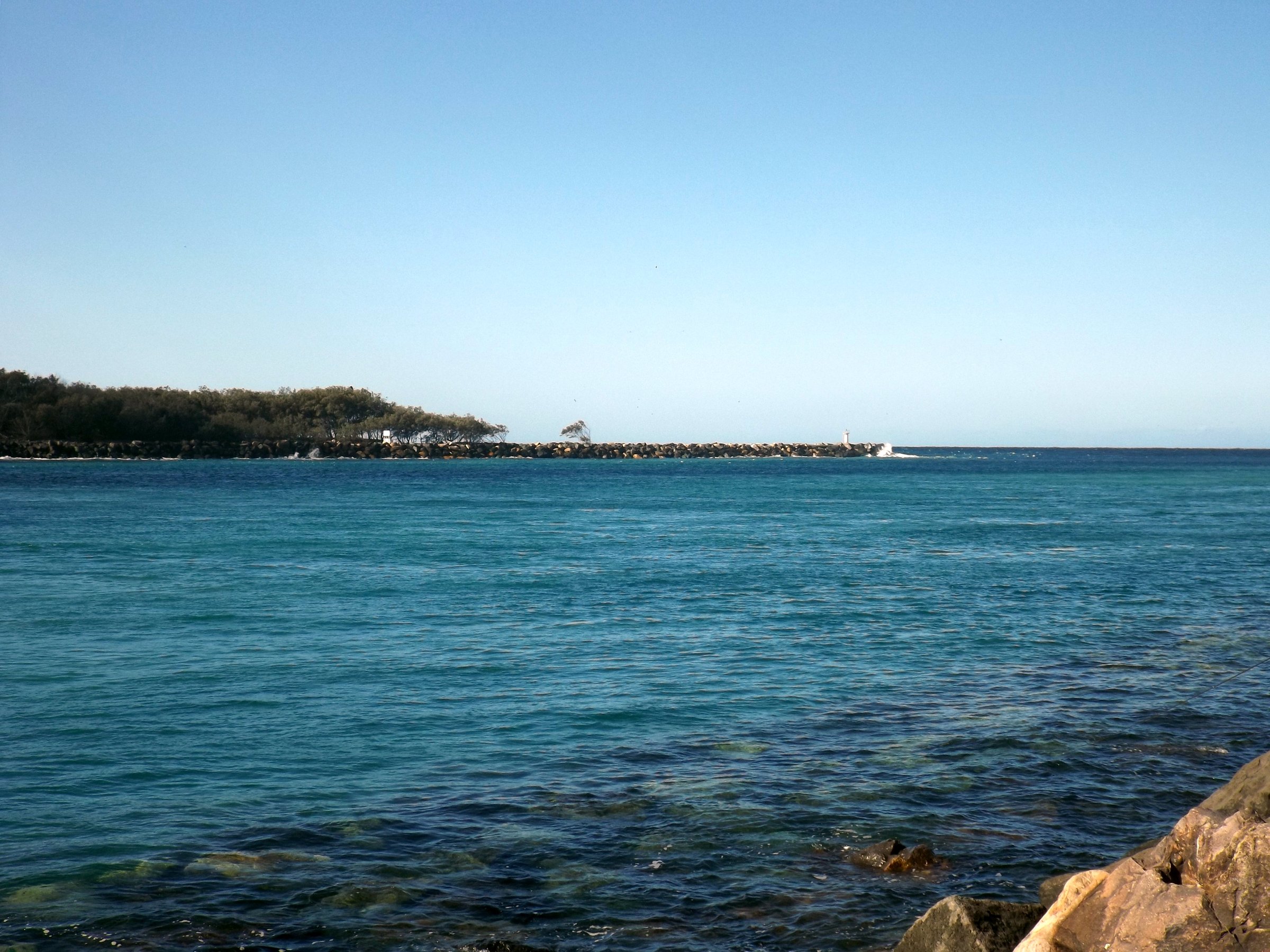
GCWA states plainly that there is no accommodation or camping allowed on Wave Break Island. Plan it as a day visit.
Boat sewage must be discharged responsibly and legally. GCWA publishes a pump-out facility map on its website for boaters.
Speed limits and anchoring around the island
Maritime Safety Queensland’s schedule of speed limits lists a 6-knot zone for all vessels in the Broadwater near Wave Break Island, covering the north Wave Break Island anchorage area on the island’s northern side. A second 6-knot zone covers a larger area of Broadwater around the island on Australia Day and the Australia Day long weekend, and GCWA marks it with yellow buoys and speed signs. Maritime Safety Queensland, Gold Coast Water Police and the Boating and Fisheries Patrol patrol the Broadwater on that weekend.
Outside signed zones, general distance-off limits apply. GCWA says boats must go no faster than 6 knots within 30 metres of boats anchored, moored or aground, jetties, pontoons, boat ramps and people in the water. For personal watercraft the distance is 60 metres. GCWA also notes that travelling at the speed on a sign does not guarantee you are not causing damaging wash.
Near anchorages, GCWA advises going slowly, keeping wash to a minimum and watching for people in the water, small dinghies and trailing ropes. Anchoring time limits vary by area: GCWA says some areas allow up to 7 days in a 60-day period and others only 24 hours in a 30-day period, so check the GCWA anchoring and mooring map or phone the Waterways team on 07 5539 7350 before you anchor.
Planning your visit
- How long: a tour allows about 35 minutes on the island; with your own boat or paddleboard the time is yours.
- What to bring: water, food, sun protection, snorkel gear and a bag to take rubbish home.
- Safety: check the weather and boat traffic before you leave.
- Cost: there is no entry charge listed by GCWA; boat, hire or tour costs are separate.
- Contact: Gold Coast Waterways Authority, 07 5539 7350, Wave Break Island page.
Nearby
- The Spit – the headland on the ocean side of the Broadwater, next to the Seaway.
- Southport Broadwater Parklands – a foreshore park on the Broadwater.
- Main Beach – the ocean beach and the Seaway end of the Broadwater.
- South Stradbroke Island – the larger island across the Seaway.
Quick answers
How do you get to Wave Break Island?
Only over water. GCWA says private vessel is the most common option, and kayaking or stand-up paddleboarding from the Labrador foreshore is also possible. You can also join a guided kayak and snorkel tour.
Can you camp on Wave Break Island?
No. GCWA states there is no accommodation or camping allowed on Wave Break Island.
Is Wave Break Island man-made?
Yes. It was created in 1985 as part of building the Gold Coast Seaway, to reduce wave action on the Broadwater’s western foreshores.
Can you snorkel at Wave Break Island?
Yes. GCWA describes the water as clear and mostly shallow and says it is popular with snorkellers, scuba divers and families with children.
Is there a speed limit around Wave Break Island?
Yes. Maritime Safety Queensland lists a 6-knot zone for all vessels near the north Wave Break Island anchorage, plus another 6-knot zone on Australia Day and the long weekend. Distance-off limits also apply near anchored boats and people in the water.
0 Comments