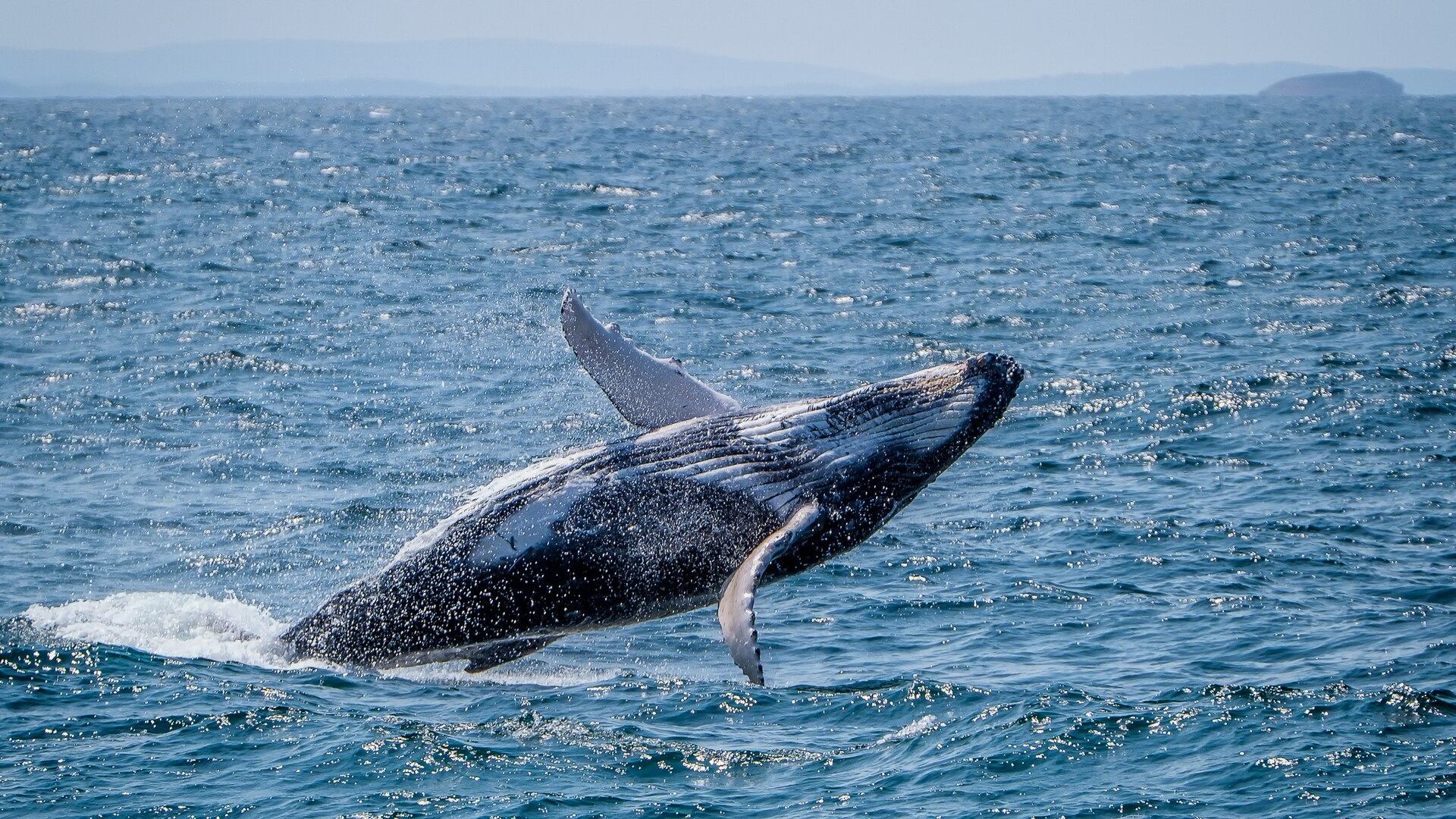
Intro. Whale watching on the Gold Coast is a winter and spring thing: humpback whales migrate past South East Queensland on their journey between Antarctica and the tropics, and cruises run from the Gold Coast, Redcliffe and Mooloolaba while they are here.
This guide covers when to go, where each trip leaves from, how long it takes, how to cope with a rolling boat, and the free headlands where you can watch from the sand or the rocks. Whale cruises only run in season, so the booking cards below may show fewer choices (or none) at other times of year.
The Gold Coast whale watching season
Gold Coast operators describe the season as late May to early November, and say July and August are the busiest months, when migration peaks and large pods pass through. Tourism Noosa says northbound whales come early in the season and southbound mothers and calves come later, often close to shore.
The Queensland Government says humpbacks are in Queensland waters from autumn into spring, and describes the prime whale watching season at Hervey Bay as July to October. Cruise dates differ by operator. Sea World Cruises, for example, says its season finishes on 1 November, so check the operator’s own page for the first and last day of the season.
Whale watching from the Gold Coast
Most Gold Coast cruises leave from Main Beach. Experience Gold Coast lists the Sea World Cruises terminal, Marina Mirage (Kokomo Cruises), and Mariners Cove Marina (Spirit of Gold Coast), plus The Spit and Sanctuary Cove (Whale Watch Queensland) and the Howard Street boat ramp at Runaway Bay (Beachcomber Charters). Each booking page names its own meeting point, so check it before you drive.
- Big cruises from Main Beach: Sea World Cruises runs a whale watching cruise of about 2.5 hours with marine expert commentary from its terminal at Main Beach, and says the trip includes a whale sighting guarantee. Kokomo Cruises leaves from Marina Mirage, 74 Seaworld Drive, Main Beach, and offers a free return cruise if no whales are sighted. Experience Gold Coast says you can be watching whales within 20 to 30 minutes of leaving the departure point.
- The Tweed: Cooly Eco Adventures runs a safari-style whale watch of about 150 minutes for a maximum of 12 guests, from Chinderah Bay Drive, Chinderah, on the Tweed River in New South Wales. The minimum age is 6, and the operator says the tour is not suitable for pregnant women or people with back injuries.
Several operators advertise a whale sighting guarantee, usually a free return trip if no whales are seen. The terms vary, so read them before you book.
Prices vary by operator, date and season, so check the booking page for today’s price.
We may earn a commission if you book through these links, at no extra cost to you.
 Top ratedWhale watching
4.9 (385)
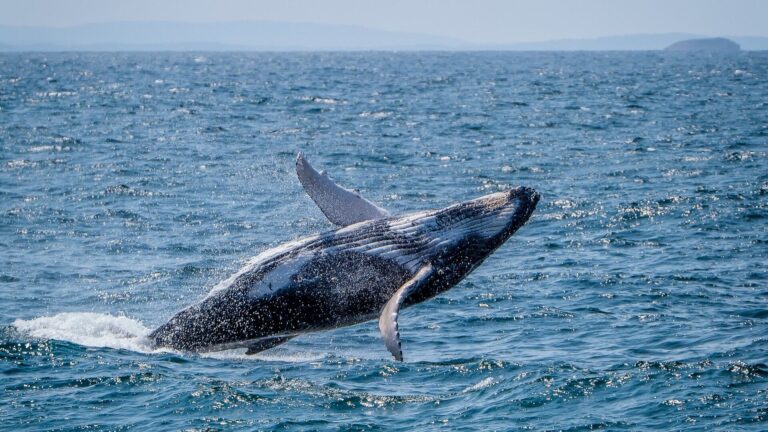
Gold Coast whale watching cruise
About two and a half hours on the water off the Gold Coast during the humpback season.
From $99 / person
 Whale watching
4.9 (68)
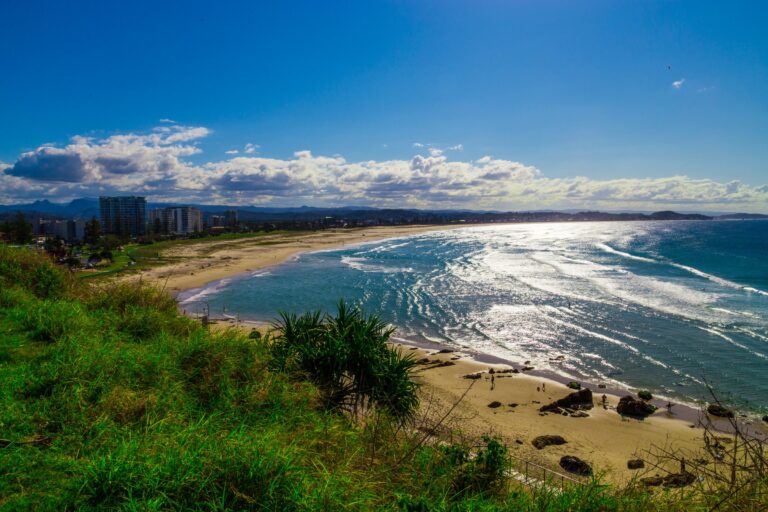
Safari-style whale watching from the Tweed
A smaller, faster boat from the Tweed River, south of Coolangatta.
From $149 / person
Whale watching from Brisbane and Redcliffe
Brisbane Whale Watching runs cruises on the MV Eye-Spy from the end of Redcliffe Jetty on the Redcliffe Peninsula, about a 40-minute drive north of the Brisbane CBD. The operator lists boarding at 9 am and departure at 10 am, with the boat back at about 2 to 2.30 pm. Its pages give the length as about four to four and a half hours in one place and five hours in another, so allow most of a day.
- Included: a gourmet picnic lunchbox, with a licensed bar on board.
- Season: June to early November, daily, weather permitting, according to the operator.
- Guarantee: if you do not see whales on your day, the operator offers a complimentary cruise on the next available departure.
- Parking: the operator recommends the Captain Cook car park, 100 to 200 metres north of the jetty at Redcliffe Parade and Klinger Road, which has no time limit. Other spots nearby have 2 or 4 hour limits, and it suggests adding 10 minutes to your travel time for parking.
- What to wear: the operator says to dress warmly and wear flat shoes, and to bring a light waterproof wind jacket if you will spend time on the outside decks.
Learn more about the area on our Redcliffe page.
We may earn a commission if you book through these links, at no extra cost to you.
 Most bookedWhale watching
4.8 (1,101)
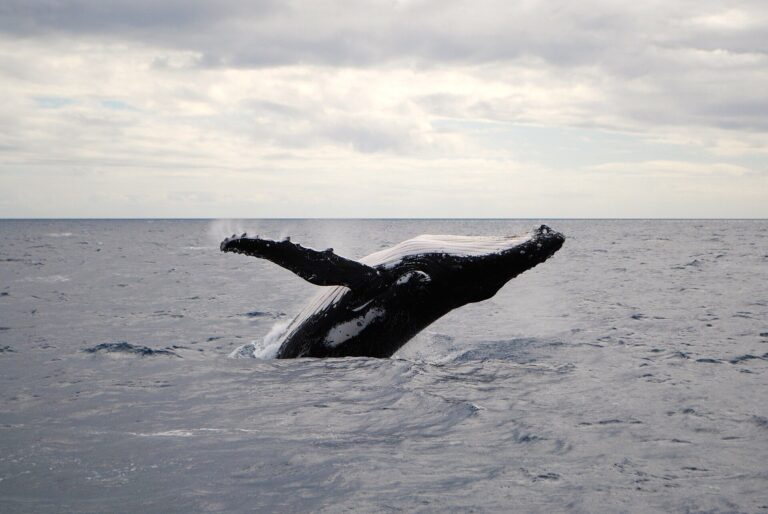
Brisbane whale watching from Redcliffe
A whale watching trip from Redcliffe Jetty, out past Moreton Island.
From $185 / person
Whale watching on the Sunshine Coast and at Mooloolaba
Sunreef runs whale watching on its vessel Whale One from its shop at The Wharf Mooloolaba, Shops 11-12, 123 Parkyn Parade. Sunreef says whale watching runs from early June until very early November, and that you will be on the water for about 2 to 3.5 hours, with the trip out of Mooloolaba taking about 15 minutes. Departure times are on Sunreef’s live booking calendar and your confirmation.
Sunreef gives a 100% guarantee on whale sightings, with a free return trip if no whales are seen that day. Children under 16 must be accompanied by an adult at all times, pregnant guests cannot take the tour, and no Sunreef vessel has wheelchair access. Sunreef monitors sea and weather conditions and emails and texts the trip status the day before, at around 3.30 pm. If a trip is cancelled for poor sea conditions, you can rebook or take a refund. Our Mooloolaba Beach page has more on the area.
Noosa also has whale watching cruises, including Noosa Oceanrider, Noosa Ocean Adventures, Noosa Wave and Whalesongs Noosa, according to Tourism Noosa. We have not listed one here, so look for an operator that names its own sightings guarantee and conditions.
Is Hervey Bay worth the trip?
If whales are the whole point, it may be. Hervey Bay is about a three-hour drive from Brisbane, and the Queensland Government calls July to October the prime season there. Mass Fraser Coast Tourism says whales come into the warm, shallow waters of the bay to rest on their journey from the Antarctic to the northern tropics, and Visit Fraser Coast says they often stay a couple of days to rest. Visit Fraser Coast lists the whale watching operators on its website.
Free whale watching from land
You do not need a boat to see a humpback. Tourism Noosa says to watch for a misty blow, a fin or tail at the surface, or a breach, and that early morning and calm, clear days often give the best visibility. Sightings from land depend on the day, so go with patience.
- Point Danger, Coolangatta and Tweed Heads: Visit NSW lists Point Danger Lookout, on the border at Tweed Heads, as a good spot to watch migrating humpbacks breach from May through November. See our Point Danger page.
- Burleigh Head National Park: Queensland Parks says to use the lookouts to watch dolphins or humpback whales during their winter and spring migration, and names Tumgun Lookout. Check the park’s alerts for track closures before you go. See Burleigh Heads National Park.
- Point Lookout, North Stradbroke Island: the Redlands Coast tourism listing says humpbacks pass Redlands Coast from June to November, and describes Point Lookout as regarded as one of the best land-based whale watching sites on Australia’s eastern coast. The Gorge Walk is 1.2 km. See Point Lookout and North Stradbroke Island.
- Noosa National Park: Tourism Noosa says humpbacks pass Noosa from June to November, and names Dolphin Point and Hell’s Gates on the Coastal Track as lookouts where whales often pass close to shore. Queensland Parks gives Dolphin Point as 1.2 km one way and Hell’s Gates as 2.7 km one way from the Headland day-use area at the end of Park Road, and says the track is sealed and barrier-free as far as Dolphin Point. Visit Sunshine Coast says Hell’s Gates has no cliff barrier, so stay in the designated viewing areas. See Noosa National Park.
Seasickness tips
These are the points the operators themselves make:
- Sunreef says its trip is in open water and suggests taking seasickness tablets before you go. It sells seasickness medication on board, and does not offer rebookings or refunds for seasickness.
- Brisbane Whale Watching says motion-sickness tablets are available on board.
- Sea World Cruises links to a seasickness advice page from its whale watching cruise page.
- For a shorter trip on the water, Experience Gold Coast says you can be watching whales within 20 to 30 minutes of leaving a Gold Coast departure point.
- If you are unsure what suits you or your kids, ask a pharmacist.
What to bring
- Warm clothes, and a light waterproof wind jacket if you will be on the outside decks (Brisbane Whale Watching’s advice for Redcliffe)
- Flat shoes (also Brisbane Whale Watching’s advice)
- Seasickness tablets, or buy them on board before departure where the operator sells them
How close can boats go to whales?
Boats must stay at least 100 metres from a whale, and jet skis and other personal watercraft must keep 300 metres away. If three boats are already within 100 metres, other skippers must keep at least 300 metres away so the pod is not crowded. For Migaloo, the white humpback, jet skis must stay 500 metres away. Getting too close can bring a fine. If whales approach a small boat, the Queensland Government says skippers should move slowly away. Read the Queensland Government’s whale watching rules before you take your own boat out.
Weather and cancellations
Trips depend on sea conditions, and each operator has its own policy. Sunreef emails and texts the trip status the day before and offers a rebooking or refund if it cancels for poor sea conditions. Brisbane Whale Watching offers a seat on the next available cruise or a full refund if it cancels for weather or tide. Cooly Eco Adventures asks for cancellations by phone at least 48 hours before departure and says late cancellations are non-refundable. Check each booking page for the exact policy before you pay.
Quick answers
When is the whale watching season on the Gold Coast?
Late May to early November, according to Gold Coast operators, with July and August the busiest months.
Where do Gold Coast whale watching cruises leave from?
Mostly from Main Beach (the Sea World Cruises terminal, Marina Mirage and Mariners Cove), with others from The Spit, Sanctuary Cove and Runaway Bay, and the Tweed River at Chinderah just over the border. Your booking page names the meeting point.
How long is a whale watching cruise?
About 2.5 hours on the Gold Coast, about 2 to 3.5 hours on the water from Mooloolaba, and about 4 to 5 hours from Redcliffe, plus boarding time.
Where can you do whale watching from Brisbane?
Brisbane Whale Watching leaves from Redcliffe Jetty, about 40 minutes north of the Brisbane CBD by car.
How much does whale watching cost?
Prices vary by operator, date and season, so check the booking page for today’s price.
Can you see whales from the shore?
Yes. Point Danger, Burleigh Head, Point Lookout and Noosa National Park are all named as lookouts by tourism or park sources, though sightings depend on the day.
0 Comments