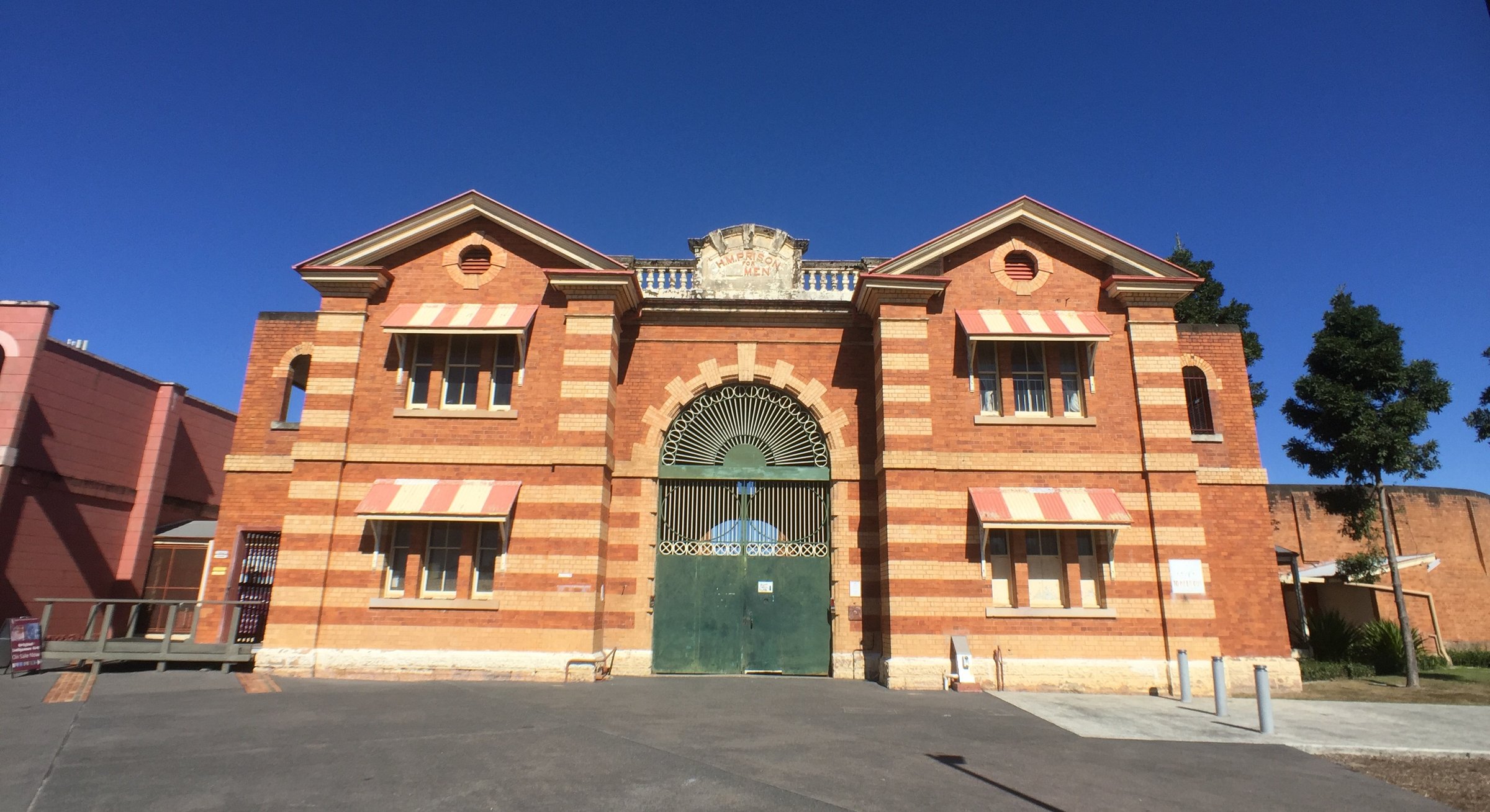
Boggo Road Gaol is Brisbane’s former main prison, in the inner-south suburb of Dutton Park, and it is the only intact 19th-century jail left in Queensland. It opened in 1883, held some of the state’s most notorious prisoners and closed in 1989 and 1992. The red and cream brick gatehouse still stands beside the Boggo Road railway and busway stations.
Tours were run here by an independent operator, but they have been paused since March 2022 while building work goes on next door. That means most visitors now come to see the old walls and gatehouse from outside, read the history and combine it with a visit to the shops at Boggo Road Village.
The history of Boggo Road Gaol
The first cellblock, with 57 cells, opened in July 1883 and later became No. 1 Division. The prison was officially called Brisbane Gaol but took the name Boggo Road from the road it stood on, which was renamed Annerley Road in 1903. For about a century it was Queensland’s main prison and became known for poor conditions and riots.
A women’s prison was built in 1903. In 1921 the women moved to a timber dormitory and the building became No. 2 Division for men. During the 1960s a new prison was built around No. 1 Division. Parts of the complex were later demolished: No. 1 Division in 1996 and the women’s prison, which operated until 2000, in 2006.
There were 42 hangings at the gaol. Ellen Thompson, hanged in 1887, was the only woman hanged in Queensland, and Ernest Austin, hanged in 1913, was the last person executed in the state.
What you can see today
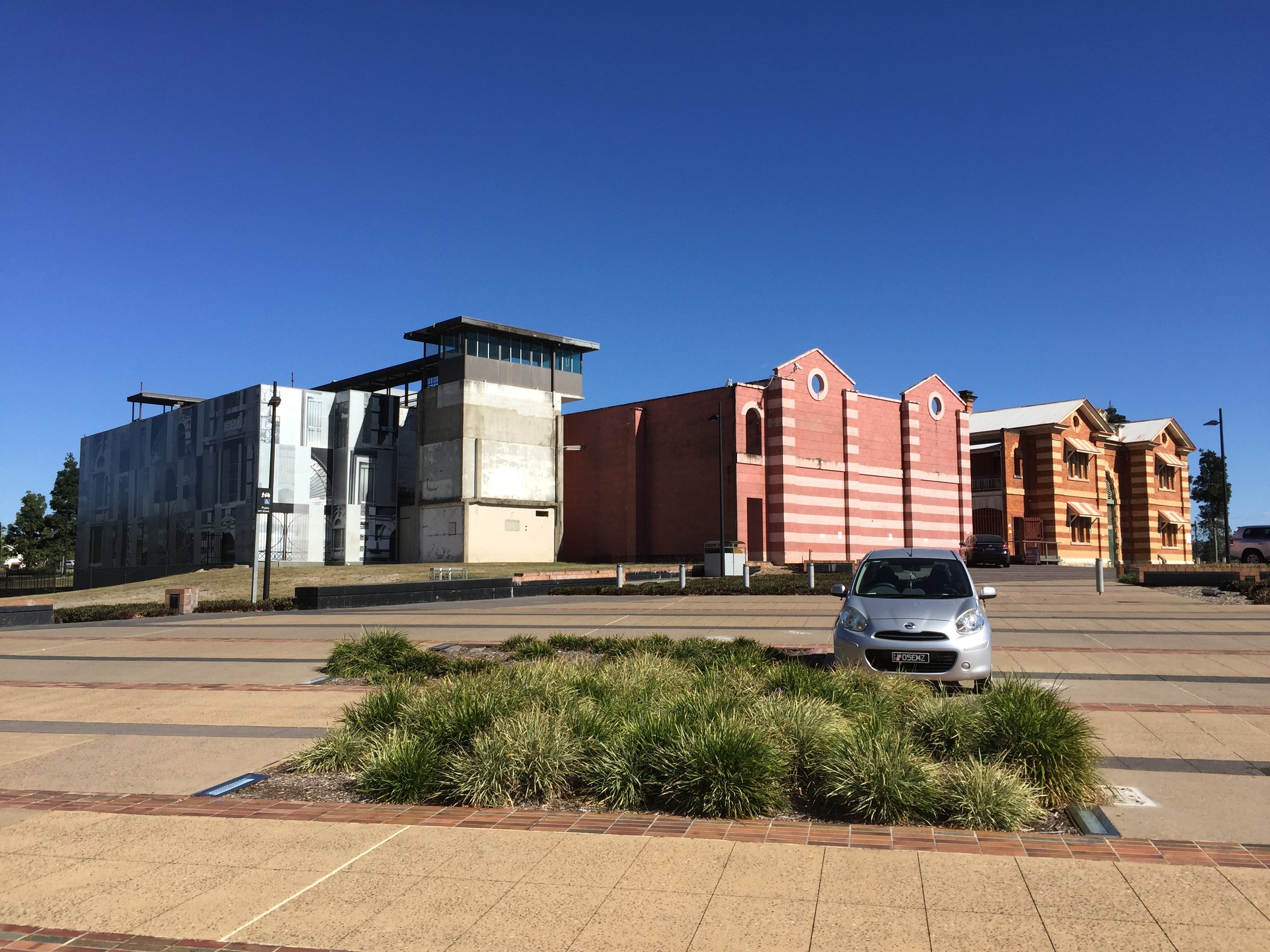
Only No. 2 Division survives from the original complex, along with a small section of C5 and a guard tower. No. 2 Division and the remnants of No. 1 were listed on the Queensland Heritage Register in 1993. A museum opened in No. 2 Division in 1992, and the gaol reopened as a tourist attraction with guided tours and ghost tours in December 2012 after the Boggo Road Urban Village works.
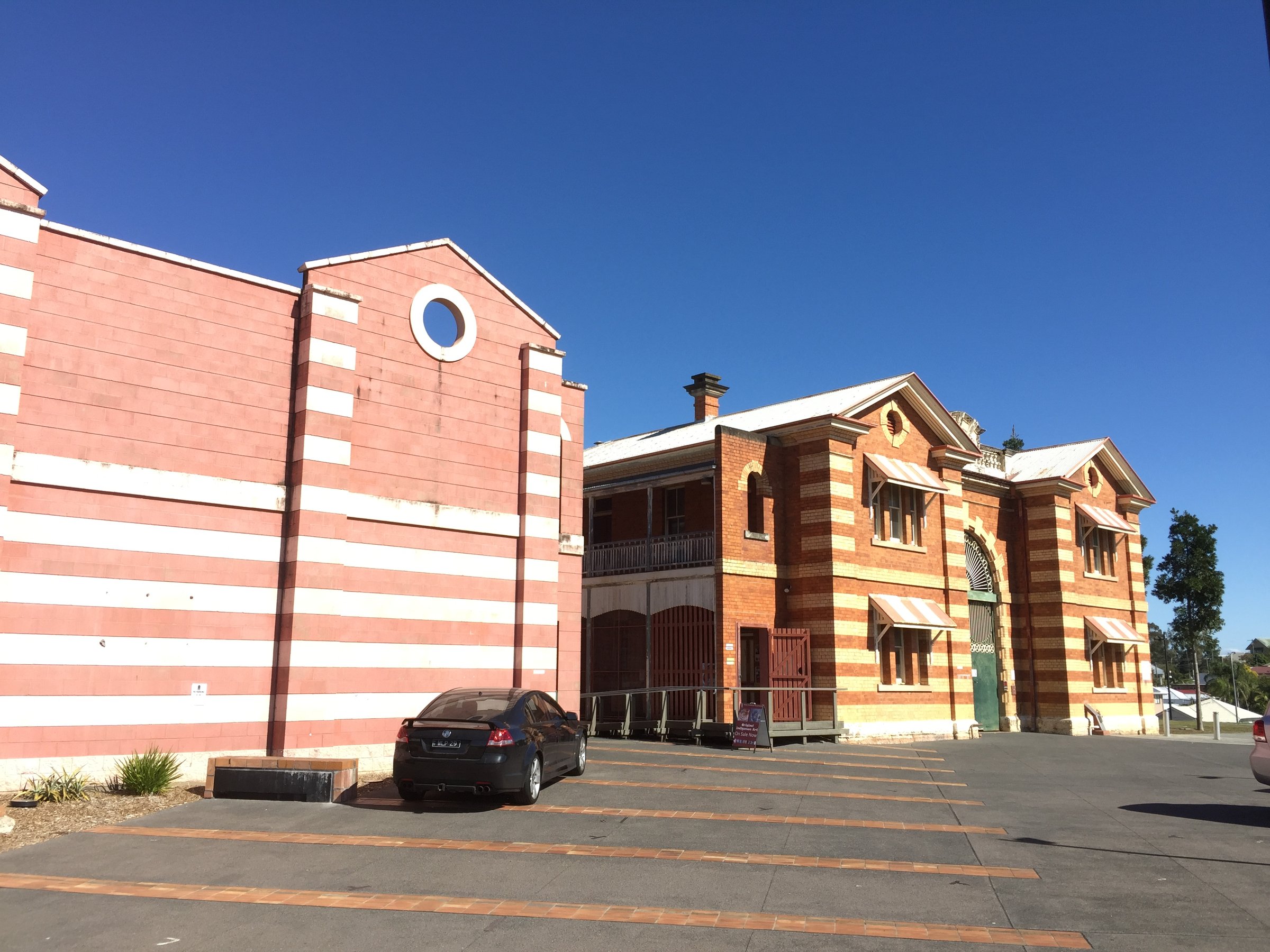
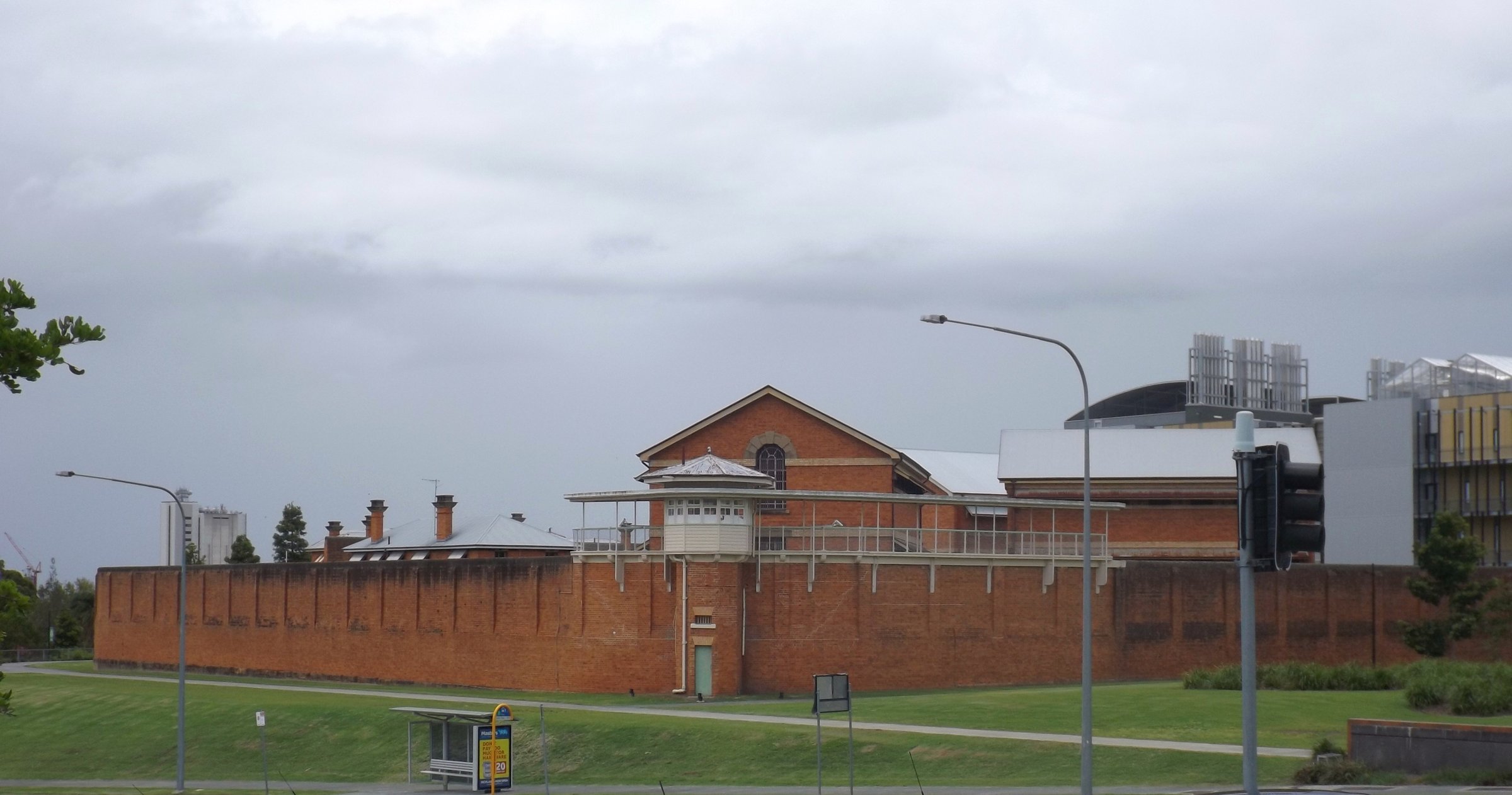
From the road and the paved area in front you can see the striped brick gatehouse with its green gates, the pink and white banded walls of the cellblock and the watchtower behind. A good spot for a wider view is Gair Park, from where the gaol walls stand above the grass.
Boggo Road Gaol tours
The tours are not a council or National Trust attraction. They are run by an independent operator, and the operator’s own website says the gaol is currently closed because of a development next to the prison. It says tours will resume in future but gives no date.
To check the latest, visit boggoroadgaol.com or email the operator’s enquiries address, [email protected]. Do not turn up expecting to go inside without a booking confirmed first.
Getting there and parking
By car, Boggo Road Gaol is about 4.1 km from the Brisbane CBD, about 10 minutes without traffic. The address is 21 Boggo Road, Dutton Park.
By public transport, Boggo Road railway station (called Park Road until 2024 and renamed Boggo Road in July 2025) and Boggo Road busway station on the Eastern Busway are both close to the gaol. Plan your trip with the Translink Journey Planner or call 13 12 30.
Boggo Road Village is the shopping precinct that grew up around the former gaol site. It has an IGA supermarket and cafes and restaurants, so it is the easiest place to stop for a coffee or a bite before or after you look around.
Planning your visit
- How long: about 30 minutes to walk around the outside and read the history; allow more if you add lunch at Boggo Road Village.
- Cost: free to look at from outside. Tour prices are set by the operator.
- Accessibility: no accessibility details are published for the site.
- Best time: daylight, when the brickwork is clearest.
Nearby
- Museum of Brisbane – free entry and more Brisbane history, in the CBD.
- The Old Windmill, Brisbane – another convict-era site, on Wickham Terrace.
- Wickham Terrace – heritage buildings and parks above the CBD.
- Woolloongabba – restaurants and the Gabba, a short trip across the river.
- South Bank Parklands – Streets Beach and playgrounds beside the river.
- Queensland Museum Kurilpa – free entry, dinosaurs and hands-on science.
Browse more history and landmarks.
You might also like
- Eleanor Schonell Bridge (Dutton Park)
- South Brisbane Memorial Park
- UQ St Lucia (Brisbane)
Quick answers
Can you visit Boggo Road Gaol?
You can see the outside of the site. Tours have been paused since March 2022 because of building work nearby, so check the operator’s website before you plan to go inside.
Where is Boggo Road Gaol?
It is at 21 Boggo Road, Dutton Park, about 4.1 km by road from the Brisbane CBD.
When did Boggo Road Gaol close?
No. 2 Division closed in 1989 and No. 1 Division in 1992.
Who was the last person hanged in Queensland?
Ernest Austin was hanged at Boggo Road Gaol in 1913, the last execution in Queensland.
How do I get to Boggo Road Gaol by train?
Take a train to Boggo Road railway station, which is next to the gaol precinct. Check times with Translink on 13 12 30.

0 Comments