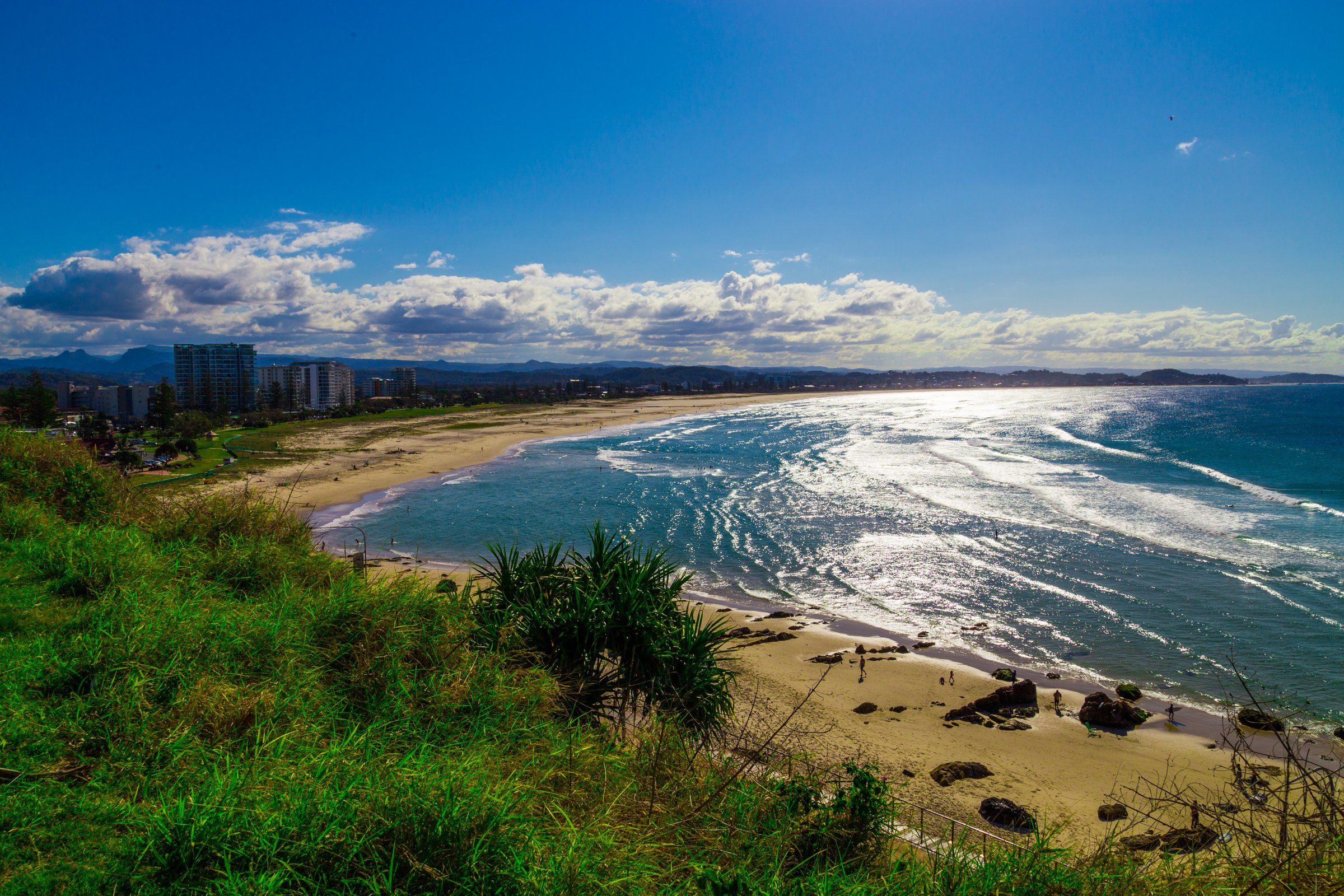
Intro. Snorkelling on the Gold Coast mostly means a short boat ride to Cook Island, where turtles feed and rest in a NSW marine reserve just over the border, or a guided paddle to Wave Break Island in the Broadwater. There are a few spots you can reach on your own, but the best-known ones are easier with an operator.
This guide covers both guided trips, the other snorkel spots named by local sources, the rules at Cook Island, what the water is like, what to pack, and the separate whale swim that runs in season.
Cook Island: snorkelling with turtles
Cook Island is in New South Wales, about 600 metres off Fingal Head, so a trip that is sold as a Gold Coast activity actually leaves from the Tweed River. The island and the water around it form the Cook Island Aquatic Reserve, and the reserve is known for its turtles: NSW Marine Estate says green, loggerhead and hawksbill turtles feed and rest there, and that grey nurse sharks and White’s seahorse are also found in the reserve.
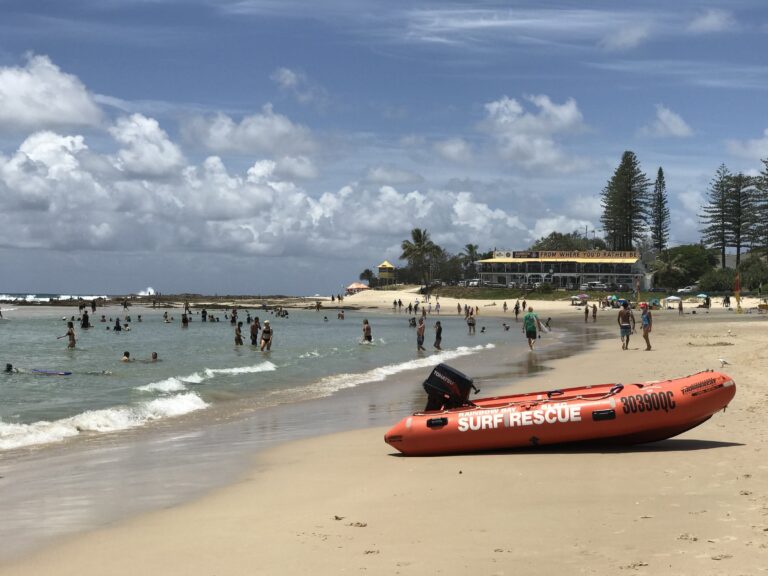
Cooly Eco Adventures runs the turtle snorkel on our cards. Its crew meets you at Chinderah Bay Drive in Chinderah, about 10 minutes by car from Coolangatta, and the boat takes about 20 minutes to reach the reserve. The whole trip takes about 2.5 hours.
- Who it suits: you must be able to swim unassisted, and you do not need snorkelling experience. Under-18s must be with a parent or guardian. It is not suitable for pregnant women or anyone with a back injury, and asthmatics should bring their inhaler and tell the crew.
- Group size: up to 12 swimmers in the water at a time, with a guide in the water.
- Provided: wetsuit, mask, snorkel and fins, snorkel instruction, reef-safe sunscreen and basic ponchos for the boat.
- Flotation: Cooly Eco Adventures offers flotation devices on request, while the Viator listing says life jackets are not worn in the water. If you are a nervous swimmer, ask before you book.
- Departures: Cooly Eco Adventures runs daily departures at 7 am, 10 am and 1 pm, and times can change with tide and wind. It runs on Queensland time, so if you are coming from NSW in daylight saving, work out the hour difference before you set your alarm.
- Turtle guarantee: turtle sightings from the boat are guaranteed or you get a free return trip, and Cooly Eco Adventures puts the chance of swimming with turtles at 99%. Read the terms on the booking page.
Prices vary by date, so check the booking page for today’s price.
We may earn a commission if you book through these links, at no extra cost to you.
 Top ratedClimbs and adventures
4.9 (172)
Snorkel with turtles at Cook Island
A two-and-a-half-hour snorkel trip to Cook Island, which the operator calls Turtle Island.
From $169 / person
Rules in the Cook Island Aquatic Reserve
The NSW Department of Primary Industries says you can swim, snorkel, dive and take underwater photos in the reserve. The reserve has an inner no-fishing zone, and across the reserve you may not collect or damage marine life, or touch, chase, disturb or feed animals. The island itself is a nature reserve, and the department says you cannot land on it because it is a seabird nesting site. So look, do not touch.
Wave Break Island: kayak and snorkel
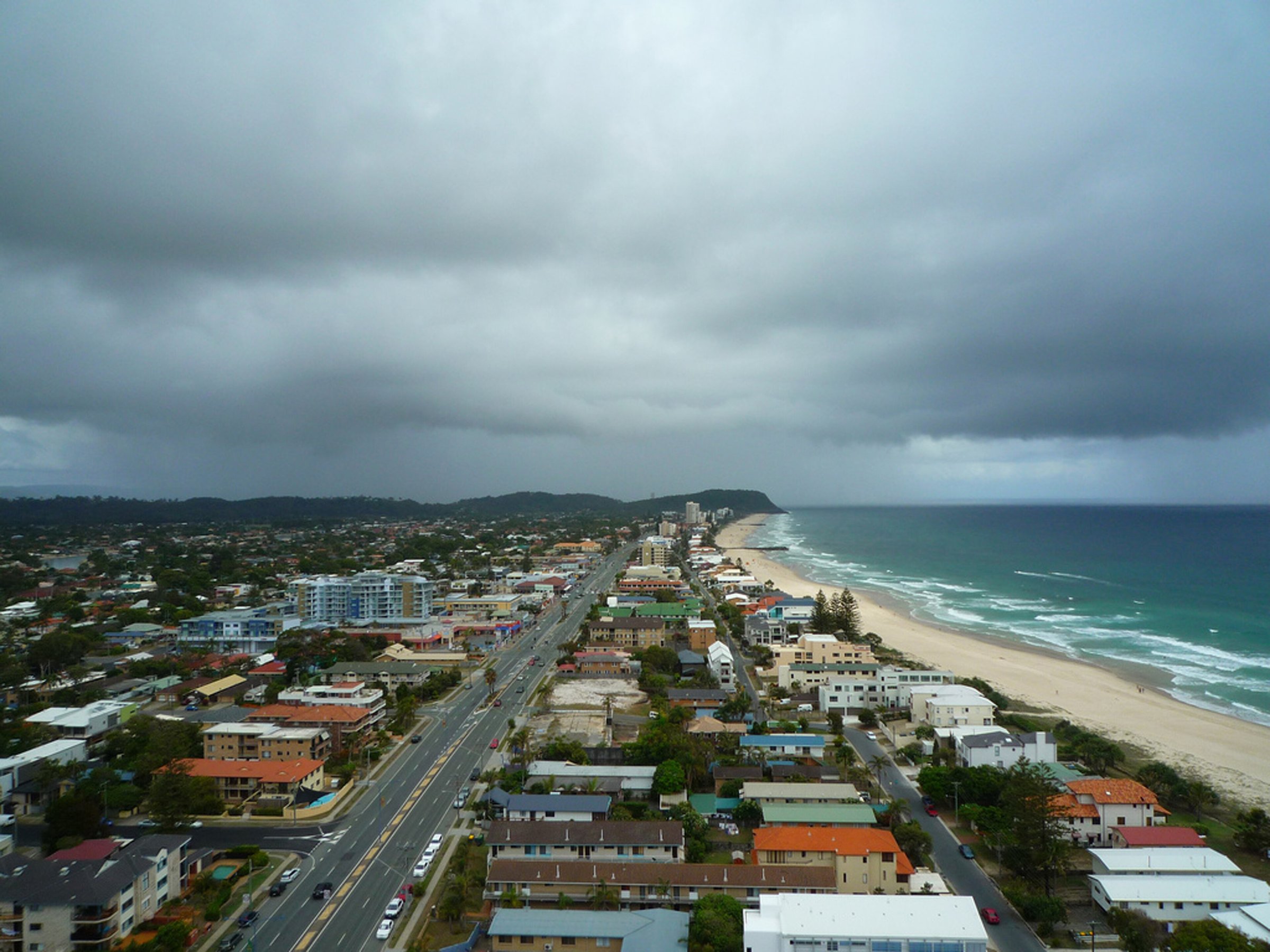
Wave Break Island is a man-made island in the Gold Coast Broadwater, built in 1985 during construction of the Gold Coast Seaway to shelter the western foreshore from waves coming through the Seaway. The Gold Coast Waterways Authority says you can only reach it by water, and lists snorkelling and diving in the clear, mostly shallow water among the things people do there, alongside kayaking, paddleboarding, picnics and walking. The island is for day visits only, with no camping.
The easiest way to get there if you do not own a boat is the guided kayak and snorkel from Biggera Waters on our cards. Seaway Kayaking Tours runs about 25 minutes paddling out, about 35 minutes at the island, a snack, and about 30 minutes paddling back, for roughly 2.5 hours in all. Snorkelling gear, a snack and water are listed as included. Seaway Kayaking Tours warns that weather can affect water clarity and wildlife sightings, so a grey day may mean a murkier swim.
You still need to be comfortable paddling and swimming, so ask the operator about age and ability before you book. Our The Spit and South Stradbroke Island pages cover the water on the other side of the Seaway.
We may earn a commission if you book through these links, at no extra cost to you.
 Surf, paddle and parasail
4.7 (373)
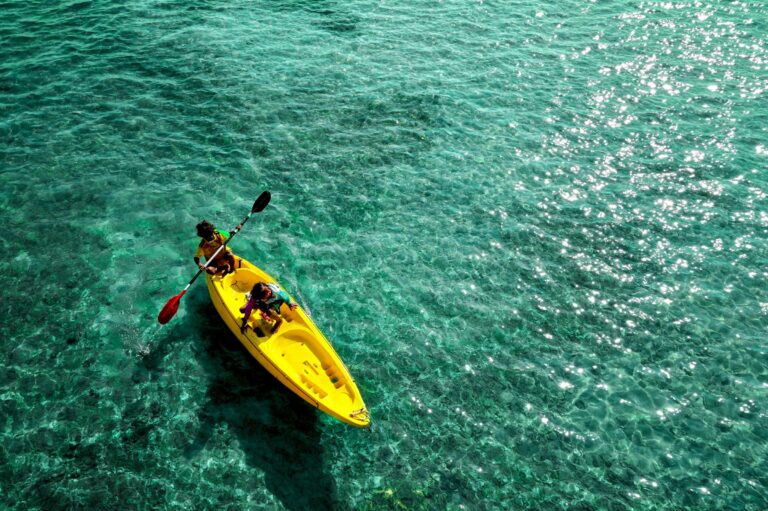
Kayak and snorkel tour to Wave Break Island
Paddle to Wave Break Island and snorkel, with a snack included.
From $99 / person
Other Gold Coast snorkel spots
Experience Gold Coast names several other spots. Most of them are written up for divers, so treat them as places to ask a local dive shop about rather than as set-and-go beach snorkels.
- Narrowneck artificial reef: Experience Gold Coast says it is directly in front of the lifeguard tower at Narrowneck Beach, about 100 metres from shore, and reachable from the beach. It lists soft coral, turtles, rays, wobbegongs and schools of bait fish. Check the day’s swell and where the flags are before you go; this is open ocean.
- Palm Beach Reef: listed as a dive and snorkel site with depths from about 5 to 24 metres, with reef fish such as parrotfish and blue wrasse and occasional sharks and rays. The source does not describe how to get in, so do not assume you can swim out from the beach. Our Palm Beach page covers the beach itself.
- Kirra Reef: listed at the southern end of the Gold Coast, protected on three sides by land, with scattered rocky outcrops, soft coral and anemones. No beach entry is given, so ask a dive shop before heading out. Start with our Kirra Beach page for the beach and facilities.
If you are unsure whether a spot suits your level, a guided trip is the safer way to find out. For somewhere to base yourself near Cook Island and the Tweed, see Coolangatta, and Rainbow Bay just along the coast.
Conditions: swell, visibility, stingers and currents
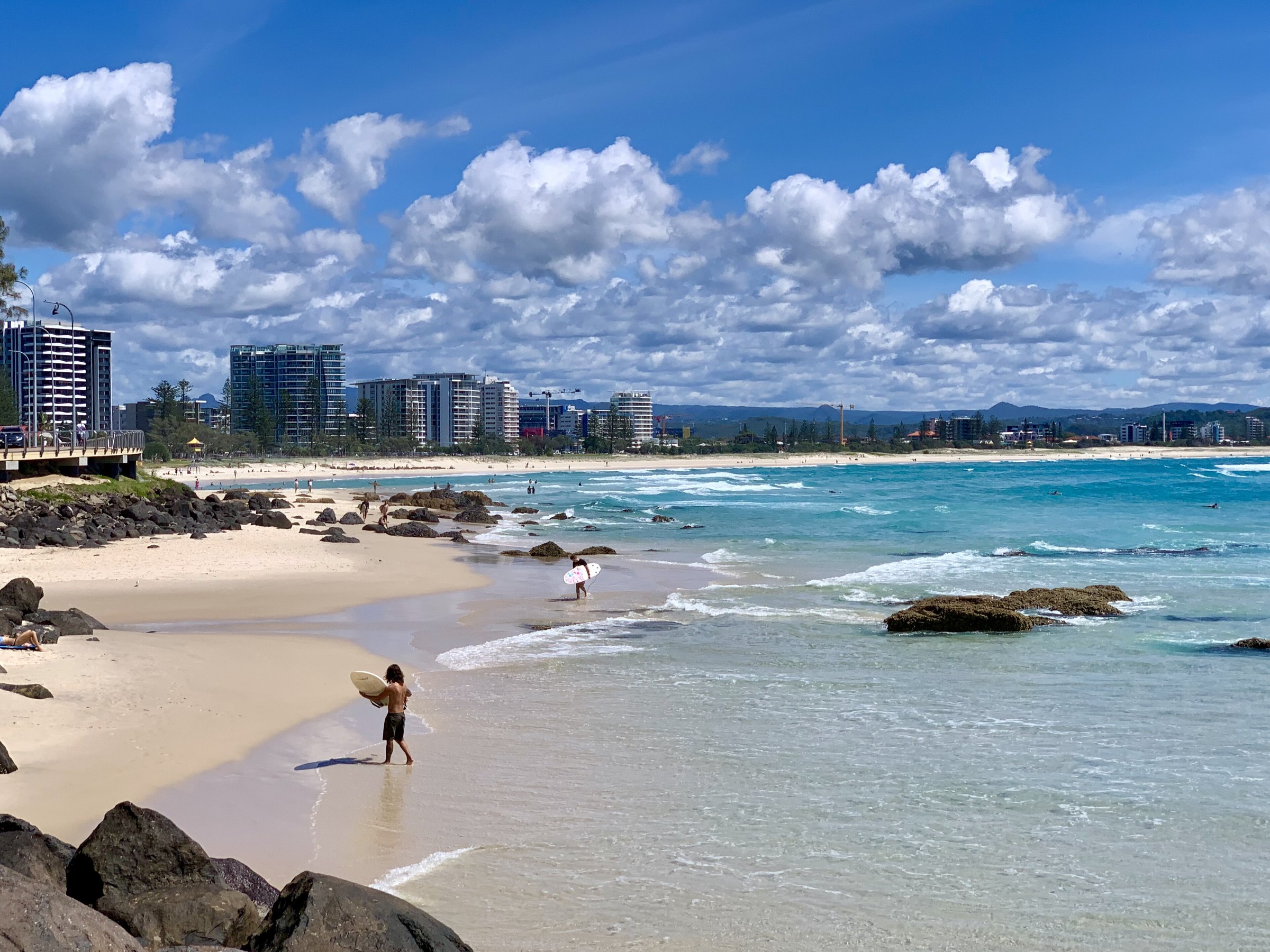
Snorkelling here is open-water snorkelling, not a hotel pool. Operators decide on the day: departure times with Cooly Eco Adventures can move with tide and wind, and weather can affect clarity on the Seaway Kayaking Tours trip and wildlife sightings. If you are going on your own at an ocean beach, look at the swell, wind and patrol status for the beach on the Surf Life Saving beachsafe website before you drive.
- Stingers: Surf Life Saving Australia says the dangerous box jellyfish and irukandji are a tropical Queensland risk, north of Agnes Water and north of southern Fraser Island respectively, so they are not a Gold Coast concern. Bluebottles are the usual sting on the east coast. If you are stung, Healthdirect says to rinse with seawater (not fresh water), remove tentacles, then soak in hot water at about 45 degrees Celsius for 20 minutes, and do not use vinegar. Get help if the pain is severe, or you have vomiting, abdominal or muscle pain, or trouble breathing.
- Currents and surf: swim at patrolled beaches in the warmer months, as Surf Life Saving advises. Unpatrolled beaches have no lifeguard to help if something goes wrong, so a guided trip or a patrolled beach is the safer start.
- Visibility: it changes with swell and wind, and a rough few days can cloud the water. If the operator calls a trip off or moves it, take the new time instead of arguing for the old one.
What to bring
For the Cook Island trip, Cooly Eco Adventures suggests:
- Warm layers such as a jumper, and a spray jacket or raincoat for the boat ride
- Sunglasses, a hat and a towel
- A camera and a water bottle
- Seasickness tablets if you tend to get seasick
- An inhaler, if you have asthma
Masks, snorkels, fins and wetsuits are provided on the Cook Island trip, and snorkelling gear is listed as included on the Wave Break Island tour. For Wave Break Island, pack as you would for a paddle: something you can get wet and a hat.
Swimming with whales
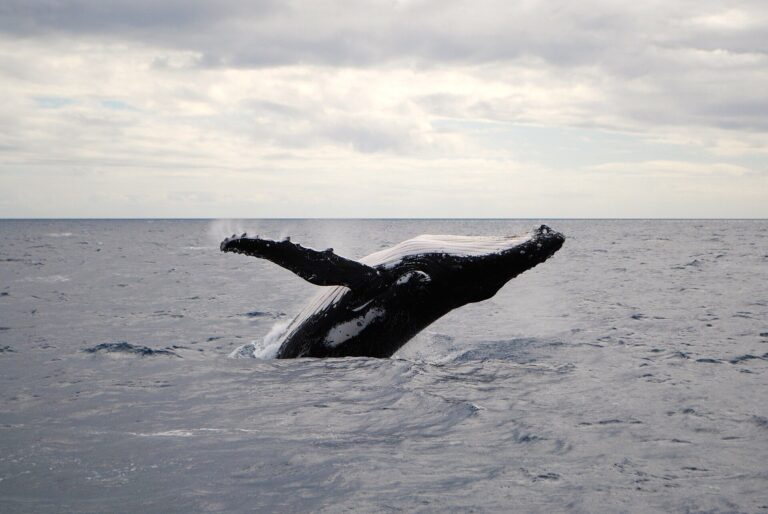
Cooly Eco Adventures also runs a separate whale swim from the same Chinderah meeting point. Humpbacks are around from roughly May to November, with August to October the best window for swims and late October and November the time to look for mothers and calves. The trip takes about 4 hours, with departures at 6.30 am and 11 am depending on weather and tide.
- Age and skill: minimum age 15 (under-18s must be with a parent or guardian), you must be able to swim unassisted, and snorkelling experience is necessary. It is not suitable for pregnant women or anyone with a back injury.
- How it works: swimmers can go as close as 30 metres to a whale, and after that the whale decides how close it comes and how long it stays. Sightings are guaranteed from the boat, not the swim itself. A maximum of 9 swimmers go in the water at a time, each with a guide, and the rule is no touching and no taking.
- Provided: wetsuit, mask, snorkel and fins, flotation devices and crew support in the water, and fresh fruit afterwards.
If you only want to watch whales from the boat, or from a headland, see our whale watching guide.
We may earn a commission if you book through these links, at no extra cost to you.
 Whale watching
4.9 (50)
Swim with humpback whales from the Gold Coast
A four-hour whale encounter that uses a soft in-water approach.
From $439 / person
Quick answers
Where can you snorkel with turtles on the Gold Coast?
At Cook Island Aquatic Reserve, about 600 metres off Fingal Head in northern NSW. Cooly Eco Adventures runs a 2.5-hour trip from Chinderah, and NSW Marine Estate says green, loggerhead and hawksbill turtles feed and rest in the reserve.
Can you swim with turtles at Cook Island?
Yes, on a guided trip. You may swim and snorkel in the reserve, but you may not touch, chase, disturb or feed the animals, and you cannot land on the island.
Do I need to be able to swim for the Cook Island snorkel?
Yes. You must be able to swim unassisted, though you do not need snorkelling experience. Flotation devices are on request, so ask about them before you book.
What is the best snorkelling on the Gold Coast for beginners?
The guided kayak and snorkel to Wave Break Island includes gear and a guide. Cook Island suits anyone who can swim unassisted and wants turtles.
Is there a snorkel spot you can walk into from the beach?
Experience Gold Coast says the Narrowneck artificial reef is about 100 metres from the beach, in front of the lifeguard tower. It is open ocean, so check the swell and flags first.
Can you swim with whales on the Gold Coast?
Yes, in season. Cooly Eco Adventures runs a 4-hour whale swim from Chinderah with a minimum age of 15, and August to October is the best window, by the operator’s own guidance.
0 Comments